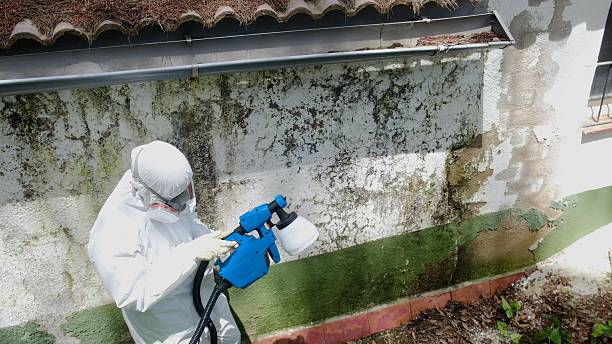
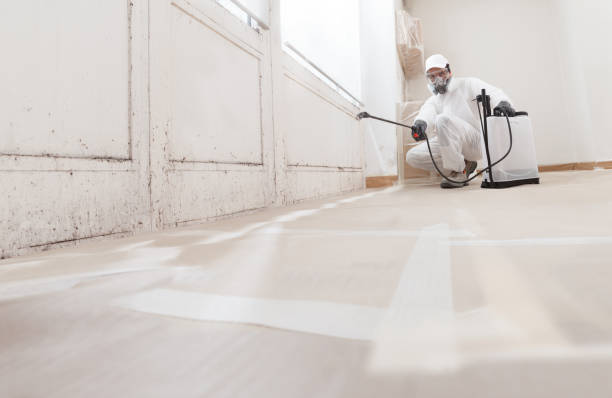
WQB Mold Removal's Glendale Heights black mold crews use full containment and respiratory protection because this species carries real health risk for occupants.
📞 Call +1-844-578-1604 Now
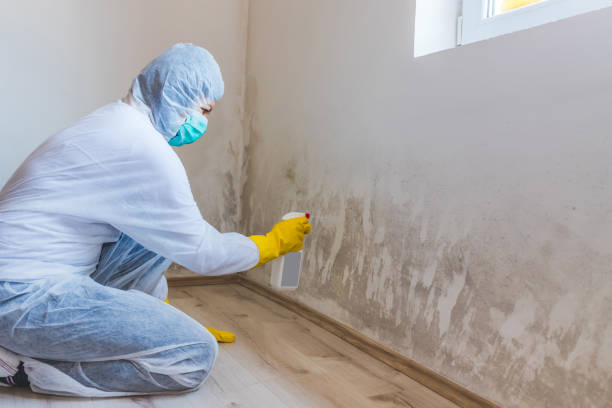
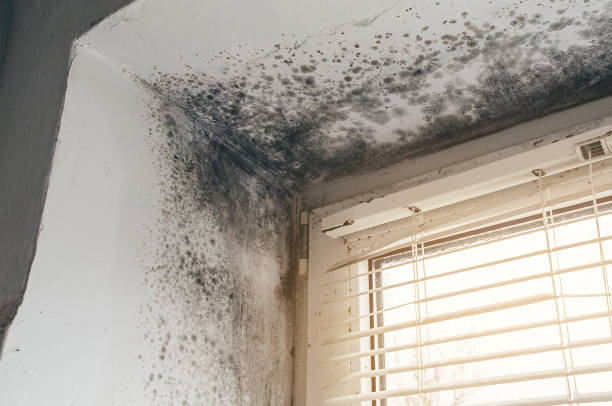
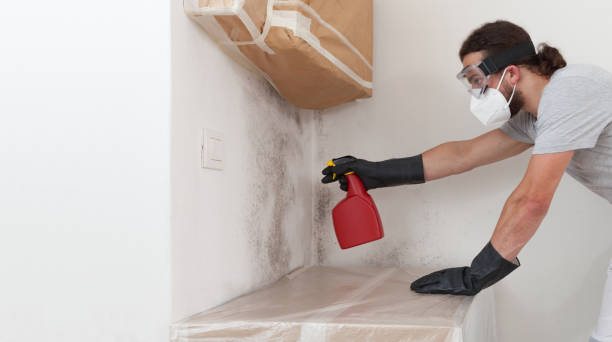
Our Glendale Heights, IL technicians are trained specifically in Stachybotrys protocol, not just general surface mold removal scaled up.
We built this service around the health stakes involved — families searching for answers about respiratory symptoms, buyers wary of a flagged inspection report, landlords facing a tenant complaint.
Four reasons Glendale Heights property owners trust us with this specific job.
Protective equipment gets replaced between jobs, never reused across properties. Every technician on a toxigenic job has completed specialized containment training beyond standard certification.
Containment stays in place until post-treatment testing confirms it's safe to remove. We log air quality readings throughout the Glendale Heights job, not just at the start and end.
We document exposure conditions and provide records some Glendale Heights clients share with their physician. Every technician on a toxigenic job has completed specialized containment training beyond standard certification.
Active toxigenic mold discovery gets priority scheduling in Glendale Heights, often same-day. We log air quality readings throughout the Glendale Heights job, not just at the start and end.
Here's exactly what our Black Mold Removal service covers in Glendale Heights, IL.

Misidentifying common surface mold as toxigenic wastes money on protocol that isn't needed, so confirmation matters.
Containment prevents spores from traveling through your Glendale Heights home's HVAC system or open doorways during work.
Equipment stays in place through post-treatment testing, not just during active demolition.
Porous materials with active toxigenic growth — drywall, insulation, carpet padding — typically can't be salvaged and get removed per protocol.
We recommend a third-party lab handle clearance testing for objectivity on a job this serious.
We won't tell a Glendale Heights family it's safe to move back into a treated space until documented testing backs that up.
Because of the health stakes involved, we keep every step documented and explained upfront.

Tell us what you're seeing and we'll get a Black Mold Removal specialist on the calendar for your Glendale Heights property, often same-day. Texting a photo ahead of time can speed up prep.
Response time in Glendale Heights is typically same-day, faster for active emergencies. You'll get a call or text when the crew is on the way.
You'll know the full scope and price before we touch anything in your Glendale Heights property. Nothing gets added later that wasn't discussed and approved upfront.
You get documentation proving the work was completed to standard. Any follow-up questions get answered on the spot, not routed to voicemail.
We didn't write these — our Glendale Heights customers did.

"My daughter's breathing problems improved within weeks of the remediation — turns out it really was the mold behind her closet wall."|"They took it seriously from the first call, not just after we mentioned symptoms." — Fatima N., Glendale Heights
"Full containment, full suits, the works — I finally felt like someone was treating this like the real problem it was."|"Clearance testing gave us documented proof before we let the kids back in that room." — Grant W., Glendale Heights
"Fast response once we got the lab confirmation — they were on-site within a day."|"Explained every step of the containment process before starting." — Priscilla D., Glendale Heights
Toxigenic mold discovery deserves a fast, serious response, and our Glendale Heights crews prioritize these calls accordingly.
Call +1-844-578-1604Inside our Glendale Heights coverage zone, emergency black mold response is prioritized same-day.
Full PPE and containment equipment stays stocked on every Glendale Heights response vehicle, ready for immediate deployment.

Proudly serving zip codes in Glendale Heights, IL including 60139 60132
The questions we hear most about toxigenic mold.

Stachybotrys chartarum specifically has been linked to respiratory symptoms in some occupants, especially with prolonged exposure.
For extensive contamination, we may recommend temporary relocation, especially for anyone with respiratory sensitivity.
Toxigenic mold protocol requires stricter PPE, full containment, and independent clearance testing that standard surface mold removal doesn't always need.
A sample sent to an independent lab is the only way to confirm species with certainty.
Coverage depends on your policy and the underlying cause of the moisture, so it's worth a call to your insurer.